What’s Wrong?
Something is going wrong in the auto industry (actually, a few things) over the last few years, and it looks like a major counter-movement is finally waking up. Lately, cars seem to be getting bigger, safer, more advanced, and less polluting. At least, that’s how it looks on the surface. So, what’s wrong? Unfortunately, through all these changes, vehicles have become bulkier, overly complex, and way more expensive to buy, maintain, and drive. And instead of actually keeping us safer, they have turned into a massive distraction behind the wheel.
Everybody Wants an SUV
The compact and sedan sectors—and especially large executive cars—have been virtually wiped out (at least in the Israeli market). They’ve been replaced by lifted, high-riding versions known locally as “Jeepons” and globally as Crossovers or SUVs. Everybody wants to sit up high, even if they only use the car to drop the kids off at kindergarten or sit in bumper-to-bumper traffic for an hour each way. The impact of this trend, alongside the death of smaller family cars, is exactly what you’d expect: a massive spike in car prices, vehicle weight, and overall maintenance costs. Everyone wants an SUV, but it comes with a price tag.
Are New Cars Actually Safer?
Ever-tightening safety regulations have forced more and more passive and active safety systems into our vehicles. The first byproduct of these systems—especially when poorly designed—is that they actually distract and annoy the driver while they’re trying to focus on the road. The second byproduct is cost. Every single one of these systems requires funding for development, taxes, and maintenance. Sure, they might save you a bit on insurance or registration taxes, but my estimate is that these systems add roughly 10,000 NIS (~3000$US), to the price of a new car. On top of that, they constantly interrupt the driver and have mostly become a daily nuisance. As a reference, a compact-sized SUV, like the Toyota Corolla Cross Hybrid, in Israel costs ~180000NIS(which is around US$60000)
Fuel Efficiency? Think Again.
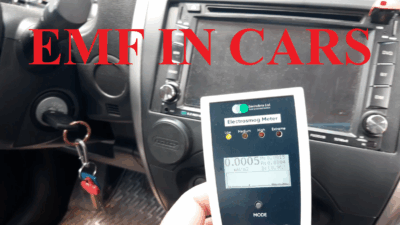
Strict emissions and fuel economy regulations have pushed manufacturers toward smaller engines (three or even two cylinders, around 1.0 to 1.2 liters) packed with turbochargers and paired with dual-clutch (robotized) or CVT transmissions. We see this even in relatively large vehicles like family sedans and SUVs. Beyond the lack of immediate power (as well as the shift to SUVs, which makes the cars heavier and causes higher fuel consumption even on smaller, weaker engines), this shift brings massive complexity and hidden costs. Smaller engines tend to wear out faster, turbo systems require extra maintenance, and robotized gearboxes (and CVTs to a lesser extent) demand complex and expensive upkeep. It all drives up running costs. And don’t even get me started on hybrids or electric vehicles—where you get unnecessary exposure to higher radiation alongside even greater technical complexity.
More Screens, More Distractions
Inside the cabin, physical levers and mechanical buttons are vanishing, replaced by massive screens. This has two major consequences: longer task times (meaning the driver’s eyes are off the road) and skyrocketing maintenance and repair costs. A recent study (link) highlighted staggering differences in response times for performing four basic driving tasks. The clear winner? The older vehicle with physical buttons and dials, leaving the screen-heavy modern cars far behind.
see – https://www.vibilagare.se/reportage/test-av-pekskarmen-i-11-bilar-gamlingen-vinner-stort?
Expensive “Spaceships”
The bottom line of all this is that cars have become over-engineered, more expensive to buy, and pricier to drive and maintain—all while having a shorter lifespan. Instead of simple, reliable transport, vehicles are turning into spaceships. DIY maintenance or fixing your own car? Forget about it. What used to be a common hobby is now nearly impossible because everything is so tightly packed and complex, requiring specialized diagnostic tools and the knowledge of an automotive engineer. In fact, things are so bad on the maintenance front that even dealership garages have almost stopped fixing parts; they just swap out entire systems. A repair that used to cost a few hundred shekels has turned into replacing a whole engine or a complete modular system, racking up bills in the thousands.
The Tide is Turning
But now, we might finally be seeing a shift. Well, sort of.
European Regulations: Stop Distracting Us!
In 2026, for the first time, European safety standards will prioritize physical buttons and mechanical controls, which allow drivers to operate systems much faster. They are also focusing on safety systems that don’t constantly get in the driver’s way. I wrote about this here – https://etsc.eu/cars-will-need-buttons-not-just-touchscreens-to-get-a-5-star-euro-ncap-safety-rating/
The Rise of Kei Trucks in the US
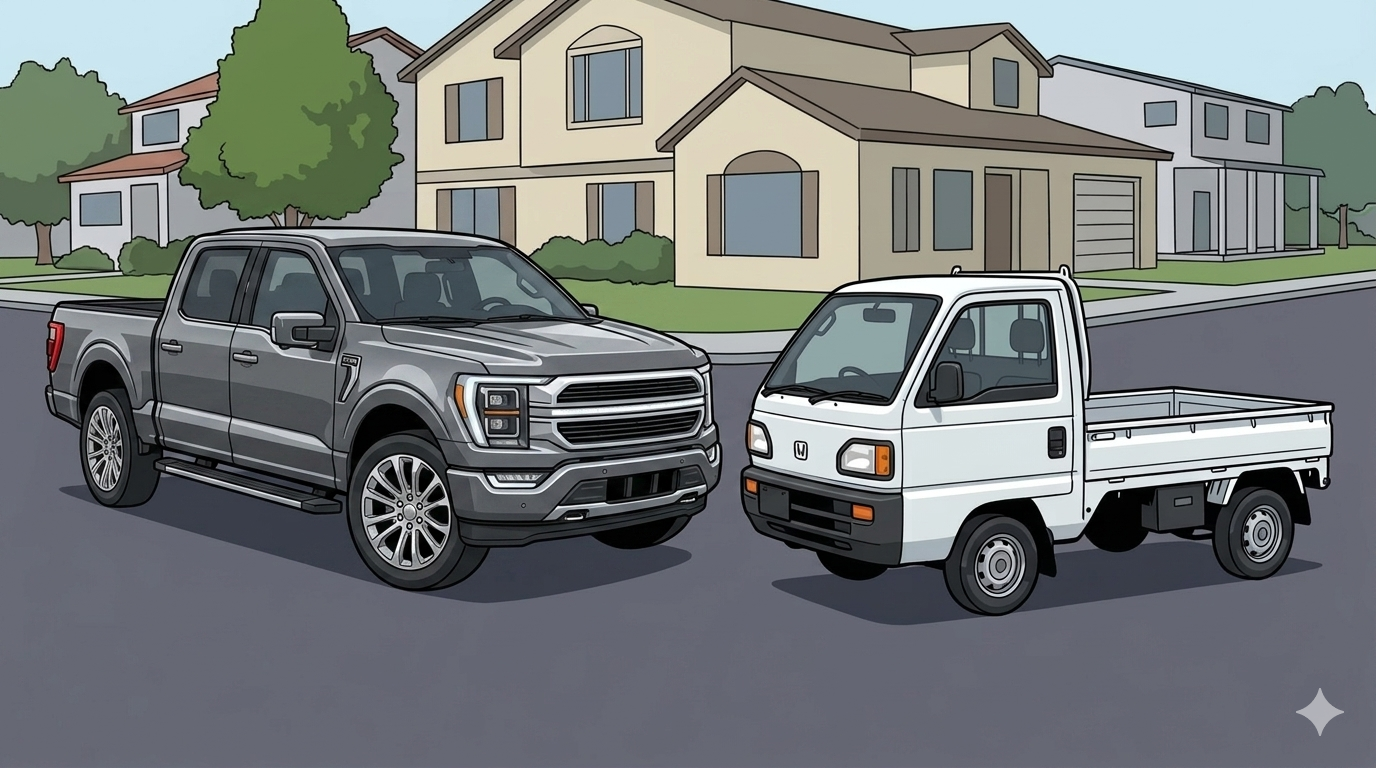
Another interesting pushback is coming straight from the US. American farmers and tradespeople are starting to import old, tiny Japanese work vehicles known as Kei Trucks. Why? Because they are cheap, dead simple, easy to fix yourself, highly reliable, and incredibly practical. More and more Americans are ditching their over-styled spaceships—those gigantic lifted trucks that look more like luxury yachts. We actually have a few of those in my neighborhood; they take up two regular parking spots, and you practically need a ladder just to climb into the cabin. Instead, people are choosing to work their fields with what we in Israel affectionately used to call the “Subarit” (a nod to Subaru’s tiny microvans from the ’90s that were nimble, bulletproof, and efficient, often coming with an open flatbed and a 4×4 drivetrain perfect for dirt roads and fields).
Meanwhile, instead of listening to the public, car manufacturers in the US are lobbying for laws to restrict these mini-trucks, citing safety concerns, especially on public roads. That’s what I’m gathering from several recent articles and videos on the subject.
You can see more about it in this video—which might be AI-generated, but the data behind it is absolutely real – https://youtu.be/wcug_olRV-I
An Urgent Wake-Up Call!
To all car manufacturers and importers: I want to see more vehicles that are small, simple, easy to maintain, efficient, and practical. Vehicles that are affordable to buy, run, and fix. Bring back physical buttons, knobs, and levers in the cabin. Give us cars where, if I want to upgrade the infotainment or safety setup, I can do it myself or go to a local technician. I want cars built to last for decades, where I can handle at least basic maintenance on my own driveway.
Fewer screen-heavy spaceships, fewer tiny downsized engines, fewer fragile turbochargers that break down, and fewer delicate transmissions that require constant upkeep. I don’t want vehicles that claim incredible fuel economy on paper, only to bleed my wallet dry with real-world operating costs. And of course, I want vehicles without unnecessary exposure to radiation from excessive electrical and communication systems. Let me decide how advanced or how beautifully simple my car should be, based on my own needs and taste.
I am certain I am not the only one.
Please also see :