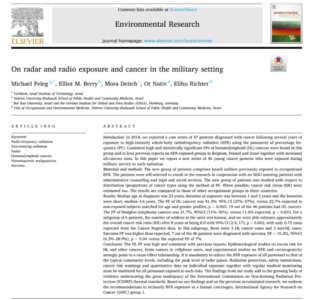

The study – https://www.science.org/doi/10.1126/science.adq4418
The Exposure
The bats were exposed to broadband radio frequency (RF) fields ranging between 0.01 and 300 megahertz (MHz), with a peak intensity in the range of 0 to 10 MHz (relatively low frequencies). The intensity was defined as “weak” and matches a typical urban electromagnetic profile considered safe for humans. The exposure intensity is below standard safety limits, typical of an urban environment, and is distinguished from the natural background levels at those frequencies. According to the AI, the level is between 0.2-0.4 milligauss. I did not find any reference to this in the paper itself. Exposure Duration: The exposure lasted for a short period only – 30 minutes in total. Exposure Timing: Groups exposed at different times were tested: at sunset (the time of the bat’s compass calibration), after sunset, or at night during takeoff itself.
What was observed? Loss of Navigation Ability (Disorientation):
While the control bats (which were not exposed to radiation) took off in a clear and specific direction corresponding to their natural migratory path, all the bats exposed to radiation took off in completely random directions (a uniform and scattered directional distribution). A key finding in the study is that the navigation disruption persisted even hours after the brief exposure had ended. Bats that were exposed for only 30 minutes and then placed in a dark room exhibited random and confused flight even when released about 2 to 6 hours after the end of the exposure.
Consistency of the Disruption
The disruption in navigation occurred regardless of the timing of the exposure – whether they were exposed at sunset, after it, or at the moment of release, the exposure itself caused confusion in their ability to interpret the Earth’s magnetic field.
Conclusion – Standards Do Not Protect, The Consensus Is Wrong
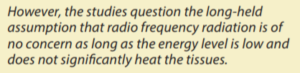
The study reinforces the understanding that there are many mechanisms of damage and effects of non-ionizing radiation on biological systems and animals. This goes far beyond the prevailing misconception (represented by standards committees, ICNIRP, the World Health Organization, and the Ministries of Health and Environmental Protection) that if radiation does not cause immediate and acute effects (such as death), then it is harmless and completely safe.